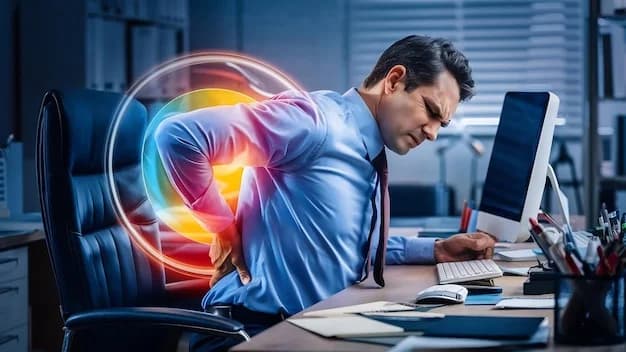
Treated by Dr A V Srikar
Pain management in Hyderabad addresses acute and chronic pain conditions affecting quality of life through multimodal approaches. Effective pain control requires accurate diagnosis of the underlying cause and individualized treatment strategies. Dr A V Srikar provides comprehensive pain management services combining pharmacological, physical, and interventional techniques tailored to each patient's needs.
Sudden onset pain lasting less than 3 months, usually following injury, surgery, or illness with identifiable cause and expected resolution timeline
Persistent pain lasting beyond 3 months that may continue after initial injury heals, often requiring ongoing management and multidisciplinary approach
Pain caused by damage or dysfunction of the nervous system, characterized by burning, shooting, or electric shock-like sensations often resistant to standard pain medications
Multiple factors can contribute to the development and progression of this condition.
Pain Management develops gradually. Recognising symptoms early gives you more treatment options.
From conservative to surgical — we always start with the least invasive option first.
A structured, patient-first approach from first visit to full recovery.
Dr A V Srikar conducts detailed evaluation including pain history, physical examination, and review of previous treatments to identify pain characteristics, location, intensity, and impact on daily functioning
Appropriate diagnostic tests including blood work, X-rays, or advanced imaging are ordered to identify underlying causes and rule out serious pathology requiring immediate attention
Development of individualized multimodal pain management strategy combining pharmacological therapy, lifestyle modifications, and referrals to physiotherapy or specialists based on specific needs
Regular follow-up appointments to assess treatment response, manage side effects, adjust medications as needed, and ensure optimal pain control while minimizing long-term medication dependence
What to expect at each phase of recovery.
Initial 1-2 weeks focused on reducing pain intensity through medications and rest, with gradual introduction of gentle activities as tolerated and pain education
Weeks 2-8 involving progressive rehabilitation exercises, gradual return to normal activities, and optimization of medication regimen with emphasis on non-pharmacological strategies
Long-term management focusing on sustained pain control, lifestyle modifications, regular exercise, stress management, and strategies to prevent recurrence or chronic pain development
Most patients experience 50-70% reduction in pain intensity with appropriate multimodal treatment allowing improved daily functioning and quality of life
Enhanced mobility, strength, and ability to perform daily activities with reduced pain-related limitations and increased independence in self-care
Effective pain control leads to improved sleep quality, reduced anxiety and depression, and enhanced overall psychological well-being and social engagement
Through comprehensive management including non-pharmacological strategies, many patients achieve pain control with minimal long-term medication use and reduced side effects
Untreated pain can lead to chronic pain syndrome, progressive disability, and significant deterioration in quality of life. Persistent pain increases risk of depression, anxiety, sleep disorders, and social isolation while potentially causing permanent changes in the nervous system that make pain harder to treat. Early intervention prevents progression to chronic intractable pain and reduces the need for more invasive treatments.
Seek medical attention if you experience persistent pain lasting more than a few days, severe pain interfering with daily activities, or pain accompanied by fever, unexplained weight loss, or neurological symptoms like numbness or weakness. Consult Dr A V Srikar promptly if existing pain worsens despite home care, if you require increasing doses of pain medications for relief, or if pain significantly impacts your sleep, mood, or ability to work and perform routine tasks.
Early treatment means more options and better outcomes. Book a consultation to understand your condition and explore the right path forward.