Treated by Dr A V Srikar
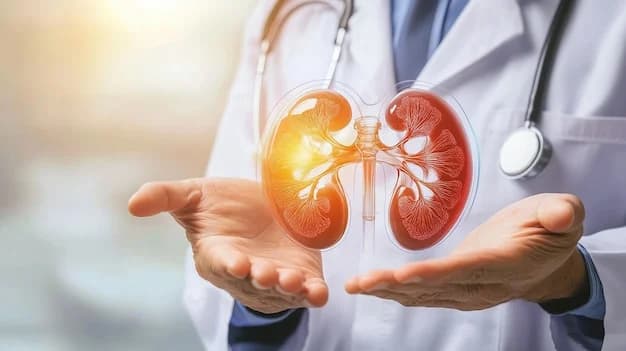
Kidney care in Hyderabad encompasses comprehensive management of various kidney conditions including chronic kidney disease, kidney infections, and kidney stones. Proper kidney care involves early detection, lifestyle modifications, medication management, and regular monitoring to prevent progression to kidney failure. Dr A V Srikar provides expert kidney care services with a focus on personalized treatment plans and preventive strategies.
Progressive loss of kidney function over time, often resulting from diabetes, hypertension, or other chronic conditions that damage kidney tissue gradually
Sudden decline in kidney function occurring within hours or days, typically caused by severe infections, dehydration, medications, or blockages requiring immediate medical attention
Hard mineral and salt deposits that form inside kidneys, causing severe pain when passing through urinary tract and potentially leading to infections or obstruction
Multiple factors can contribute to the development and progression of this condition.
Kidney Care develops gradually. Recognising symptoms early gives you more treatment options.
From conservative to surgical — we always start with the least invasive option first.
A structured, patient-first approach from first visit to full recovery.
Dr A V Srikar conducts thorough evaluation including detailed medical history, physical examination, blood tests for creatinine and eGFR, urinalysis, and imaging studies to determine kidney health status and identify underlying causes
Based on assessment findings, Dr A V Srikar creates individualized treatment strategies addressing underlying conditions, dietary modifications, medication regimens, and lifestyle changes tailored to each patient's specific kidney condition and overall health
Dr A V Srikar schedules periodic follow-ups to monitor kidney function through laboratory tests, assess treatment effectiveness, adjust medications as needed, and detect any complications early to prevent disease progression
Dr A V Srikar facilitates referrals to nephrologists when needed, coordinates care with other specialists, and provides comprehensive patient education on kidney health maintenance, medication compliance, and warning signs requiring immediate attention
What to expect at each phase of recovery.
Focus on controlling underlying conditions like diabetes and hypertension, implementing dietary changes, starting appropriate medications, and establishing baseline kidney function through regular testing over first 1-3 months
Ongoing management with quarterly or bi-annual check-ups depending on severity, continuous medication optimization, lifestyle adherence support, and proactive management of complications to maintain stable kidney function
Sustained kidney health maintenance through consistent follow-up, annual comprehensive assessments, adjustment of treatment strategies as needed, and prevention of further deterioration through patient engagement and education
With proper management and treatment adherence, most patients experience significantly slower progression of kidney disease, maintaining better kidney function for longer periods and delaying need for dialysis
Effective symptom management including reduced fatigue, controlled fluid retention, better blood pressure control, and improved energy levels allowing patients to maintain normal daily activities and work productivity
Comprehensive kidney care significantly lowers risk of cardiovascular complications, which are common in kidney disease patients, through blood pressure control, cholesterol management, and reduced fluid overload
Regular monitoring and proactive management help prevent acute kidney injury episodes, severe electrolyte imbalances, and emergency hospitalizations, maintaining stable health status over extended periods
Untreated kidney conditions can progress to end-stage renal disease requiring dialysis or kidney transplantation, with significantly reduced quality of life. Complications include severe cardiovascular disease, dangerous electrolyte imbalances, bone disease, anemia, and fluid accumulation in lungs. Without proper care, kidney failure can be life-threatening and lead to premature death from associated complications.
Seek immediate medical attention if you experience blood in urine, severe back or flank pain, sudden swelling in legs or face, significantly reduced urine output, or persistent nausea with confusion. Regular check-ups are essential if you have diabetes, hypertension, family history of kidney disease, or are taking medications that affect kidney function. Early detection through routine screening can prevent irreversible kidney damage.
Early treatment means more options and better outcomes. Book a consultation to understand your condition and explore the right path forward.